
Conflict, strategy, and defense technology.
Nukewars

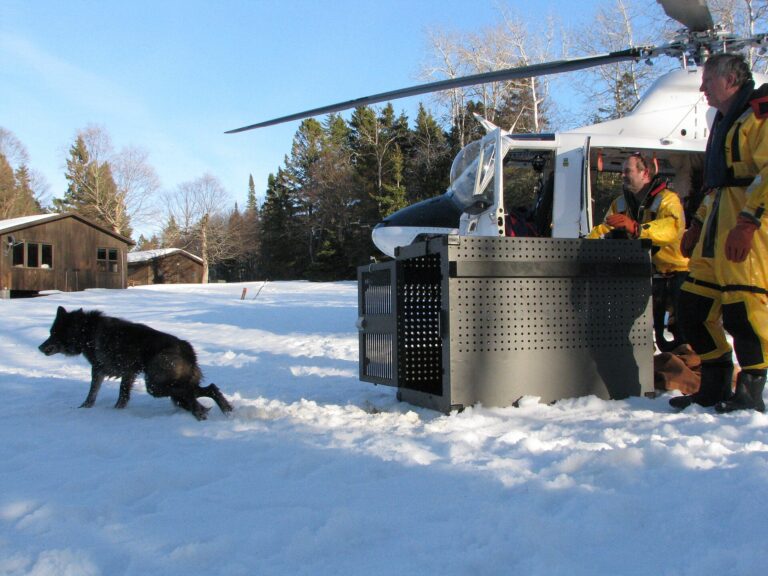
How did a 586-square-mile stretch of southeastern Washington sealed off in 1943 to make plutonium end up sheltering one of the last large blocks of shrub-steppe left in the Columbia Basin?

The Hanford Site was fenced off in 1943 to make plutonium for the Manhattan Project. Eighty years later, the same security buffer holds the largest intact shrub-steppe left in the Columbia Basin — an accidental refuge protected by contamination.

Latest

All articles →
Space Scopes

Margaret Hamilton's Apollo 11 flight software threw a 1202 alarm three minutes before Armstrong landed, and the priority-scheduling logic she had insisted on including let the guidance computer drop lower tasks and keep flying while a radar switch flooded it with data

Three minutes before Eagle touched down on 20 July 1969, the Apollo Guidance Computer began flashing a 1202 alarm as a rendezvous radar switch flooded it with unexpected data. Margaret Hamilton's priority-scheduling architecture shed low-priority jobs and kept the landing functions alive — five times in four minutes.

What’s up in

SpaceWar

Military space programs, satellite security, strategic competition, defense policy, great-power moves, and the evolving role of space in modern military operations.

What’s up in

Nukewars

Nuclear strategy, proliferation risks, deterrence policy, missile programs, arms control, and the geopolitical tensions shaping the nuclear age.

What’s up in

War Report

Defense operations, military technology, cyber conflict, terrorism, naval power, UAV systems, and the front-line developments defining modern warfare.

About SpaceWar

Conflict, strategy, and defense technology.

SpaceWar is an independent publication covering military space, nuclear strategy, great-power competition, defense technology, and the security forces shaping modern conflict. The site pairs a deep archive with current reporting on the governments, companies, policy shifts, and technical breakthroughs shaping defense, deterrence, and global security. We employ modern AI technologies to support our editorial workflows; every published piece is editorially directed and reviewed.

More about us →