
Subscribe free to our newsletters via your
. Military Space News .


INTERN DAILY
New research finds high tungsten levels double stroke risk
by Staff Writers
Exeter, UK (SPX) Nov 14, 2013


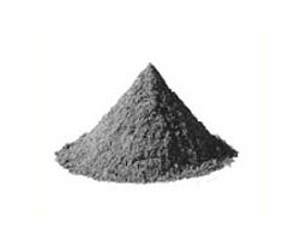
File image.

High levels of tungsten in the body could double the risk of suffering a stroke, a new study published in the open access journal PLOS ONE has found. Using data from a large US health survey, the study has shown that high concentrations of tungsten - as measured in urine samples - is strongly linked with an increase in the occurrence of stroke, roughly equal to a doubling of the odds of experiencing the condition.

Conducted by a team from the University of Exeter, the study represents the most comprehensive analysis to date of the potential health effects of the metal.

According to figures from the World Health Organisation, stroke is currently the second leading cause of death in the Western world, ranking only second to heart disease. It is also the leading cause of disability in adults, often resulting in loss of motor control, urinary incontinence, depression and memory loss.

The research used data from the US based National Health and Nutrition Examination Survey (NHANES), analysing information for 8614 participants aged between 18 and 74 over a 12 year period.

Higher tungsten levels were found to be strongly associated with an increase in the prevalence of stroke, independent of typical risk factors. Importantly, the findings show that tungsten could be a significant risk factor for stroke in people under the age of 50.

Whilst our current exposure to tungsten is thought to be very low, recent years have seen a significant increase in the demand and supply of the material - which is commonly used in consumer products such as mobile phones and computers, as well as a number of industrial and military products.

During its production, small amounts of the metal can be deposited in the environment, eventually making their way into water systems and onto agricultural land. With largely unknown health consequences, tungsten has been identified as a toxicant of emerging concern.

Lead author of the research, Dr Jessica Tyrrell, of the University of Exeter Medical School's European Centre for Environment and Human Health, said "Whilst currently very low, human exposure to tungsten is set to increase.

"We're not yet sure why some members of the population have higher levels of the metal in their make-up, and an important step in understanding and preventing the risks it may pose to health will be to get to the bottom of how it's ending up in our bodies."

The tungsten-stroke relationship observed in this research highlights another example of the potentially negative impact new materials can have on health. Recent years have seen an exponential increase in the production of chemicals for commercial exploitation, including the introduction of nanotechnology.

In many cases the health effects of these chemicals are largely unknown and there are few controls to prevent their discharge into the environment.

Another of the paper's authors, Dr Nicholas Osborne, added "The relationship we're seeing between tungsten and stroke may only be the tip of the iceberg. As numerous new substances make their way into the environment, we're accumulating a complex 'chemical cocktail' in our bodies.

"Currently we have incredibly limited information on the health effects of individual chemicals and no research has explored how these compounds might interact together to impact human health."

.


Related Links
University of Exeter
Hospital and Medical News at InternDaily.com


Comment on this article via your Facebook, Yahoo, AOL, Hotmail login.

Share this article via these popular social media networks
del.icio.usdel.icio.us DiggDigg RedditReddit GoogleGoogle


INTERN DAILY
E-cigarettes could save millions of lives, conference told
London (AFP) Nov 12, 2013
Switching to e-cigarettes could save millions of smokers' lives, a conference on the rapidly expanding use of the devices heard Tuesday, though some delegates warned more research on the health effects is needed. The merits of e-cigarettes were thrashed out at a one-day gathering of some 250 scientists, experts, policymakers and industry figures at the Royal Society in London. The use of ... read more


INTERN DAILY
Unprecedented Dual Intercept Success for MEADS at White Sands Missile Range

Patriot delivers another flawless performance in Japan test firings

Gulf Arabs boost missile defenses despite U.S. thaw with Iran

Turkey asks NATO to extend Patriot deployment near Syria border

INTERN DAILY
Turkey hopes to finalise China missile purchase in six months

Iran starts producing new missile system

Japan military drills missiles on Pacific gateway

Lockheed Martin, MDA anbd Navy Demonstrate Ashore Missile Defense System

INTERN DAILY
Northrop Grumman Receives contract to Build Three More Global Hawks

US civilian drone operators to detail data use: regulators

Islamists protest against US drone strikes in Pakistan

Aerostructures Validate Triton Unmanned Aircraft Wing Strength

INTERN DAILY
Self-correcting crystal may unleash the next generation of advanced communications

Northrop Grumman Receives Contract to Sustain Joint STARS Fleet

Raytheon expands international footprint of electronic warfare capability

Latest AEHF Comms Payload Gets Boost From Customized Integrated Circuits

INTERN DAILY
US firm claims first 3D-printed metal gun

Chemical arms treaty meets love-gone-wrong in US high court

Northrop Grumman Demonstrates Micro-Gyro Prototype for DARPA Program

US Army, Raytheon complete AI3 live-fire demonstration

INTERN DAILY
Russian ministers talk arms sales in landmark Egypt visit

Raytheon to expand Mississippi radar factory, add more than 150 new high-skill jobs

US Navy's funding of high schools raises concerns

Arab world: U.S. defense industry peers into the abyss

INTERN DAILY
New Zealand and U.S. end 30-year defense estrangement

Commentary: A perfect storm

One year in, China's Xi amasses control

Poland apologizes to Russia over Warsaw Embassy riot

INTERN DAILY
All aboard the nanotrain network

A nano-sized sponge made of electrons

Turning nanoparticles into complex nanostructures

Taking a New Look at Carbon Nanotubes


The content herein, unless otherwise known to be public domain, are Copyright 1995-2014 - Space Media Network. AFP, UPI and IANS news wire stories are copyright Agence France-Presse, United Press International and Indo-Asia News Service. ESA Portal Reports are copyright European Space Agency. All NASA sourced material is public domain. Additional copyrights may apply in whole or part to other bona fide parties. Advertising does not imply endorsement,agreement or approval of any opinions, statements or information provided by Space Media Network on any Web page published or hosted by Space Media Network. Privacy Statement