|
 |
 |
 |
 |
 |
 |
 |
 |
 |

| . |  |
. |
Climate Change Could Play Havoc With Oil Prices
New York (AFP) Feb 05, 2007 Climate change, by disrupting current weather patterns, could play ever greater havoc with the zig zags in oil prices, such as the price plunge seen in early January, market analysts say. The Intergovernmental Panel on Climate Change (IPCC) -- the UN's top scientific authority on global warming -- delivered its starkest warning yet on global warming on Friday. It said fossil fuel pollution would raise temperatures this century, worsen floods, droughts and hurricanes, melt polar ice and damage the climate system for a thousand years to come. The warning cannot be ignored by businesses or the financial world, and particularly those markets which are climate-sensitive, such as oil. Some analysts already pointed the finger at climate change in January as oil prices tumbled by 18 percent in under three weeks when unusually high temperatures in the northern hemisphere curbed demand for heating oil. "It's tough to say what the net impact will be of global warming on demand," said Bart Melek, an analyst at BMO Capital Markets. But "assuming that the recent weather patterns are in fact caused by global warming to some extent, yes we've already seen the impact of it last year on natural gas, because we have the highest inventories ever, so we had less consumption; and this year on oil prices." And the effect is not likely to only deliver price breaks. According to Natixis bank analysts, if climate change lasts, and few scientists see it as passing, it will become an all-season wild card. Next summer for example, with air conditioners roaring and travel season under way, greater pressure should send oil prices soaring, they said in a report. In the fall, they noted, there will be concerns about major storms and hurricanes which can disrupt supply networks for example in the Gulf of Mexico. So climate change looks likely to inject volatility into markets. The IPCC forecast greater intensity in North Atlantic hurricane activity as water temperatures rise. And investors have already had a taste of this. In late August 2005, when Hurricane Katrine ravaged New Orleans and other points along the Gulf coast, it damaged many US oil platforms and helped send oil prices surging above 70 dollars a barrel for the first time since the 1970s. Erratic weather "could add to a lot of volatility because of this fluctuation of the norms. If weather is erratic, so will be demand and so will be prices," said Melek, joking that would be "a trader's dream." The greatest impact of climate change could be felt 10-20 years down the line when most major energy consuming nations have moved on to alternative energy sources, said James Williams, at WTRG Energy. But "to make changes in US consumption of oil, you almost have to change society," he said, that noting that part of the US dependence on cars can be explained by the vastness of the country and the distances people have to cover. "I haven't seen any evidence in the US of an energy policy since the 70's. Energy policy has been to have cheap gasoline," he said. Ultimately, "the best thing to accomplish (lower oil consumption) would be a 150-dollar-a-barrel oil," he said.
Source: Agence France-Presse Related Links Powering The World in the 21st Century at Energy-Daily.com  Researchers Find Substantial Wind Resource Off Mid-Atlantic Coast
 Stanford NY (SPX) Feb 06, 2007
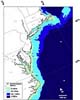
The wind resource off the Mid-Atlantic coast could supply the energy needs of nine states from Massachusetts to North Carolina, plus the District of Columbia--with enough left over to support a 50 percent increase in future energy demand--according to a study by researchers at the University of Delaware and Stanford University. |
|
|

| The content herein, unless otherwise known to be public domain, are Copyright 1995-2006 - SpaceDaily.AFP and UPI Wire Stories are copyright Agence France-Presse and United Press International. ESA PortalReports are copyright European Space Agency. All NASA sourced material is public domain. Additionalcopyrights may apply in whole or part to other bona fide parties. Advertising does not imply endorsement,agreement or approval of any opinions, statements or information provided by SpaceDaily on any Web page published or hosted by SpaceDaily. Privacy Statement |