|
 |
 |
 |
 |
 |
 |
 |
 |
 |

| . |  |
. |
Climate Change: Hundreds Of Antarctic Glaciers In Retreat, Says Study
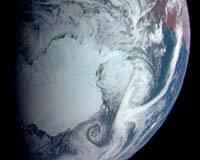
Paris (AFP) Apr 21, 2005 Scientists have issued a fresh warning about the effect of climate change on Antarctica, saying that more than 200 coastal glaciers are in retreat because of higher temperatures. Of the 244 marine glaciers that drain inland ice on the Antarctic peninsula, a region previously identified as vulnerable to global warming, 87 percent have fallen back over the last half century, according to research by British experts. Using 2,000 aerial photos dating back to the late 1940s and 100 satellite pictures, experts from the British Antarctic Survey (BAS) compiled a record of glacier-ice shelves and tidewater glaciers along the peninsula -- the tongue of land that juts 800 kilometers (500 miles) northwards out of continental Antarctica. Glacier-ice shelves are floating glaciers on the shoreline that are still connected to the land glaciers from which they flowed. Tidewater glaciers rest on rock and break off into the ocean when they reach the water's edge. Over the last half century, during which time regional temperatures have risen by around 2 C (3.6 F), these glacier fronts have reversed direction, the authors note in a study published on Friday in the US weekly journal Science. Until the mid-1950s, most of the glaciers advanced. For the next decade after that, they were roughly stable. Since then, though, most have been shrinking. In the past five years, the retreat has accelerated, and the pattern of retreat is widening. It started in the warmer northern tip of the peninsula and is heading progressively to the colder south as atmospheric temperatures rise. "Fifty years ago, 62 percent of the glaciers that flowed down from the mountains to the sea we looked at were slowly growing in length, but since then this pattern has reversed," said lead author Alison Cook. The average retreat of the 212 shrinking glaciers has been 600 metres (yards) over 50 years. But this does not take into account a dramatic acceleration in recent years, exposing numerous islands that were once ice-smothered. Sjogren Glacier, at the northern tip of the peninsula has fallen back eight kilometers (8.5 miles) since 1993, while Widdowson Glacier, on the west coast of the peninsula, has been retreated at 1.1 kms (0.6 miles) per year over the past five year. As for the cause, the BAS team caution against a leap to judgement. At present, it is unclear that the man-made "greenhouse effect" -- the burning of fossil fuels which disgorged carbon dioxide into the atmosphere, trapping solar heat -- is entirely to blame, they say. They note that over the past 50 years, a minority (32) of glaciers has grown, by an average of 300 metres (yards), and that key data on local ocean temperatures and circulation remain scarce. Antarctica's geology is split into three main regions: East Antarctica, which comprises the bulk of the continent; West Antarctica, which has two huge ice shelves on either side; and the Antarctic Peninsula, which juts out of West Antarctica. Previous research had already identified the peninsula as a vulnerable "hot spot" for global warming, although the reasons for this are debatable. In February, BAS researcher Chris Rapley presented evidence that ice flows into the Southern Ocean from three big inland glaciers were accelerating, spurred by the loss of the vital shelves of floating glacial ice at the coast. Like a cork released from a bottle, the lost shelves let the icy river flow swiftly into the sea, causing sea levels to rise by some 1.8 mm (0.07 inches) per year. The new study repeats that warning, although without giving figures. It says the erosion of floating glacier ice could spur glacier flow from inland and "make a substantial contribution" to rising sea levels. Antarctica, the fifth largest continent in the world, contains more than 90 percent of the world's ice, most of it above sea level. If even a small part of this cap melts, rising sea levels could drown low-lying island states, cities and deltas. Related Links SpaceDaily Search SpaceDaily Subscribe To SpaceDaily Express  B-15A Iceberg Collides With Antarctic Ice Tongue
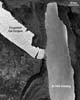 Paris (ESA) Apr 19, 2005
Maps of Antarctica need to be amended. The long-awaited collision between the vast B-15A iceberg and the landfast Drygalski ice tongue has taken place. |
|
|

| The content herein, unless otherwise known to be public domain, are Copyright 1995-2006 - SpaceDaily.AFP and UPI Wire Stories are copyright Agence France-Presse and United Press International. ESA PortalReports are copyright European Space Agency. All NASA sourced material is public domain. Additionalcopyrights may apply in whole or part to other bona fide parties. Advertising does not imply endorsement,agreement or approval of any opinions, statements or information provided by SpaceDaily on any Web page published or hosted by SpaceDaily. Privacy Statement |