
illustration only
illustration only |
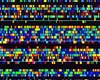
Microarrays are keychain-sized devices with as many as several million tiny spots, each of which examines genes of interest simultaneously using minute sample volumes. This highly sensitive technology is relatively new, and standard procedures to ensure the reliability and comparability of results are only beginning to emerge.
For instance, results can change as a result of differences in how tissues are collected and processed; variations in how the molecules are counted, attached to substrates and labeled for detection; deviations from recommended protocols by lab personnel; and malfunctioning or miscalibrated equipment. Such variations need to be controlled before this technology can be used reliably in clinical settings and in devices requiring regulatory approval, according to the paper.
As a first step toward addressing reliability issues, a consortium co-led by NIST and industry is developing standards that will satisfy needs identified at a 2003 workshop. At the workshop, organized and hosted by NIST, leaders in the microarray field from industry, government and universities recommended the development of a well-characterized set of ribonucleic acid (RNA) molecules whose identity and concentration are known. RNA is an important product of gene activity.
Users will be able to validate the results of gene chip analyses by adding such a reference material to their samples and comparing the measured values to what would be expected for them. Such a reference material also will enable technology developers and researchers to assess the performance of their assays.
Related Links
 Expanding The Genetic Code
 San Diego CA (SPX) May 25, 2004
| The content herein, unless otherwise known to be public domain, are Copyright 1995-2006 - SpaceDaily.AFP and UPI Wire Stories are copyright Agence France-Presse and United Press International. ESA PortalReports are copyright European Space Agency. All NASA sourced material is public domain. Additionalcopyrights may apply in whole or part to other bona fide parties. Advertising does not imply endorsement,agreement or approval of any opinions, statements or information provided by SpaceDaily on any Web page published or hosted by SpaceDaily. Privacy Statement |