|
 |
 |
 |
 |
 |
 |
 |
 |
 |

| . |  |
. |
India To Launch Satellite Exclusively For Telemedicine
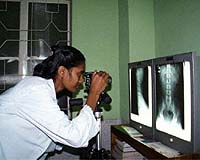
Bangalore, India (AFP) Mar 17, 2005 India plans to launch a communications satellite exclusively for health care so patients and doctors in remote rural areas can consult specialists in cities, the head of the country's space agency said last Thursday. Healthsat, to be launched within four years, will have wireless and terrestrial communication links, G. Madhavan Nair, chairman of the Indian Space Research Organisation, told reporters. "Right now we will use the existing satellite transponders to serve 100 telehealth stations, including district hospitals and speciality hospitals, around the country," Nair said. "Next year we may touch 500 such stations and in 2007 about 1,000. So within the next three to four years we will have one exclusive satellite for the purpose of telemedicine," he said. Nair said the organisation may accept help from private corporations to fund the project. "By the second half of this year we will bring in private partners. We are also thinking of helping neighbouring countries such as Sri Lanka, Bhutan and Myanmmar on their telemedicine projects," he said. The space agency's telemedicine project, in which a patient in a remote area can consult a specialist in a city through a video satellite link, was launched in 2001 and so far has treated more than 25,000 patients. "With 75 percent of the Indian population living in rural and remote areas and more than 75 percent of the expert doctors living in urban areas, the only way to bridge the rural-urban divide appears to be through telemedicine," Nair said. Related Links SpaceDaily Search SpaceDaily Subscribe To SpaceDaily Express  UCLA Medical Center Becomes World's First Hospital to Introduce Remote
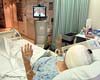 Los Angeles CA (SPX) Mar 14, 2005
UCLA Medical Center has announced initial clinical tests of the RP-6 mobile robot system in its neurosurgery intensive care unit (ICU). |
|
|

| The content herein, unless otherwise known to be public domain, are Copyright 1995-2006 - SpaceDaily.AFP and UPI Wire Stories are copyright Agence France-Presse and United Press International. ESA PortalReports are copyright European Space Agency. All NASA sourced material is public domain. Additionalcopyrights may apply in whole or part to other bona fide parties. Advertising does not imply endorsement,agreement or approval of any opinions, statements or information provided by SpaceDaily on any Web page published or hosted by SpaceDaily. Privacy Statement |