|
 |
 |
 |
 |
 |
 |
 |
 |
 |

| . |  |
. |
NASA Modifies Image Technology To Fight Diabetes
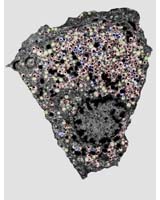
Greenbelt MD (SPX) Jun 27, 2006 NASA image-processing technology used to explore orbital images of Earth and distant worlds is being modified for diabetes research. Scientists at The George Washington University in Washington, D.C., and Cornell University in Ithaca, N.Y., helped modify the technology, which has greatly increased the speed of the research. "NASA technology combined with our modifications has provided us with new tools for fighting diabetes," said Murray Loew, director of the Biomedical Engineering Program at GWU. Diabetes afflicts more than 20 million Americans. It is caused by the body's inability to regulate glucose, a sugar that cells use for energy. The hormone insulin regulates blood glucose levels by unlocking the interior of cells and allowing glucose in blood to pass through the cell wall. Insulin is manufactured in beta cells in the pancreas. Microscopic structures called granules carry insulin toward the cell wall of the beta cells, where it is secreted in response to glucose levels in the blood. Two types of diabetes exist. In Type I diabetes, pancreatic cells are destroyed. In Type II diabetes, either pancreatic cells don't secrete enough insulin, or cells in the body lose their responsiveness to insulin, or both problems happen at once. Both types of diabetes cause glucose to build up in the blood instead of being delivered to the interior of cells, where it is needed or would be stored. Life-threatening effects include coma, heart disease, kidney damage, nerve damage, blindness, and loss of limbs. In the research, the team analyzed electron photomicrographs of beta cells from rats. The original NASA technology helps scientists to classify image elements and identify different types of landforms, geology and vegetation. In the laboratory, the technology has been adapted to identify biological structures, the insulin granules, in electron photomicrographs. The research team observed the number, size, and position of insulin granules in the beta cells in response to glucose. "Previously, the analysis of each electron micrograph took an assistant several hours to complete. Now, with the image processing software, we can automatically analyze several dozen electron micrographs overnight," said Tim McClanahan, a scientist at NASA's Goddard Space Flight Center. "We plan on an extensive collaboration in the future. The potential for this research is excellent," said Geoffrey Sharp, a diabetes expert in the Department of Molecular Medicine at Cornell University. The team has submitted proposals to the National Institutes of Health and the American Diabetes Association to further validate the technology with additional data and to extend the work to identify and characterize other microscopic cellular structures. The research is being funded by Goddard's Part Time Graduate Study Program, NIH, and the Juvenile Diabetes Research Foundation. Related Links NASA Goddard  NASA To Orbit Fruit Flies To Test Immune System
 Moffett Field CA (SPX) Jun 21, 2006
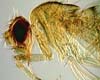
Thousands of tiny fruit flies soon will journey into space aboard shuttle Discovery to help NASA scientists better understand changes in the human immune system caused by space flight. Despite differences in size and complexity, the Drosophila melanogaster, or common fruit fly, may help scientists from NASA Ames Research Center unlock the secrets of why astronauts often develop changes in their immune system during space flight. |
|
|

| The content herein, unless otherwise known to be public domain, are Copyright 1995-2006 - SpaceDaily.AFP and UPI Wire Stories are copyright Agence France-Presse and United Press International. ESA PortalReports are copyright European Space Agency. All NASA sourced material is public domain. Additionalcopyrights may apply in whole or part to other bona fide parties. Advertising does not imply endorsement,agreement or approval of any opinions, statements or information provided by SpaceDaily on any Web page published or hosted by SpaceDaily. Privacy Statement |