
 |
 |
 |
 |
 |
 |
 |
 |
 |
 |

| . |  |
. |

Hanga Roa, Chile (AFP) July 11, 2010 Tourists and scientists poured onto remote and mysterious Easter Island Sunday to watch a rare total eclipse of the sun, a mixed blessing for the Pacific community. An estimated 4,000 tourists, scientists, photographers, filmmakers and journalists flocked to the remote Chilean outpost of only 160 square kilometers (60 square miles), doubling the population of the barren island that already suffers from water pollution and deforestation. Conditions are anything but normal on Easter Island, deemed by astronomers the best place to witness Sunday's alignment of Sun, Moon and Earth for a fleeting four minutes and 41 seconds. The Sun is 400 times wider than the Moon, but it is also 400 times farther away. Because of the symmetry, the lunar umbra, or shadow, that falls on the face of the Earth is exactly wide enough to cover the face of the Sun. Some weather forecasts, however, warn of cloudy skies -- potentially dashing hopes of a clear view here. The total solar eclipse will begin at 1815 GMT, when the umbra or shadow falls on the South Pacific about 700 kilometers (440 miles) southeast of Tonga, according to veteran NASA eclipse specialist, Fred Espanak. It will then zip in an easterly arc across the Pacific, eventually cloaking Easter Island and its mysterious giant statues at around 2011 GMT. Parts of the globe will be plunged into daytime darkness along a narrow corridor some 11,000 kilometers long across the South Pacific. And the eclipse, in Tahiti for example, has a chance of upstaging even the start of the World Cup final between Spain and the Netherlands in South Africa at 1830 GMT. Superstition has forever been part of the cult of the eclipse. Throughout history, awe and dread -- the birth or death of kings, victories or defeats, bumper harvests or gnawing hunger -- have always attended that moment when the Moon slides in front of the Sun and darkness briefly cloaks the Earth at daytime. Easter Island Governor Pedro Edmunds Paoa told AFP the island "has the capacity to absorb this number of tourists," similar to the influx in the southern hemisphere summer in January. But authorities have increased security, especially around key heritage sites, including the 3,000-year-old large stone statues, or moai, that put Easter Island, a far-flung ethnic Polynesian point of reference, on the world culture map. In the original islanders' ancient lore, such an eclipse "would have been seen as a very powerful signal of upcoming upheaval," as their world view was rooted in nature, in "the earth, the sea and especially the sky," said Patricia Vargas of the University of Chile. But the island, a UNESCO World Heritage Site inhabited mainly by ethnic Polynesians, was strained even before the eclipse by a growing number of visitors who choose to stay indefinitely and a sharp increase in the non-aboriginal population. Chile's government last year proposed a law to establish immigration controls on Easter Island and limit the number of tourists to try to protect the local population and fragile ecosystem. The huge earthquake and tsunami that struck mainland Chile on February 27 forced the navy to partially evacuate the island over fears of damage from tides and currents. In the months since, local authorities have scrambled to inform the global tourism industry that the territory was largely unscathed. "We want to show the world that despite the earthquake, we are still in the tourist circuit," said Mayor Luz del Carmen Zasso. On the streets of the capital Hanga Roa, craft fairs abound and merchants were selling native craft items and eclipse souvenirs. Zasso explained that local officials have taken "all measures to protect the heritage and the environment." She said visitors will be told to treat the island with respect. "Easter Island is an open-air museum, and the eclipse is part of this museum," she added.
Share This Article With Planet Earth
Related Links Solar and Lunar Eclipses at Skynightly

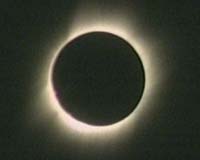 Expedition To Study South Pacific Solar Eclipse
Williamstown MA (SPX) Jul 09, 2010 Professor Jay Pasachoff of Williams College's astronomy department is on Easter Island in the middle of the Pacific Ocean preparing to observe the July 11 total solar eclipse. The eclipse will be one of the least observed ever, since so much of the path is over ocean. Easter Island, 2,500 miles west of the Chilean South American mainland, is the only substantial land in the path, until the ... read more |
|
|
| The content herein, unless otherwise known to be public domain, are Copyright 1995-2010 - SpaceDaily. AFP and UPI Wire Stories are copyright Agence France-Presse and United Press International. ESA Portal Reports are copyright European Space Agency. All NASA sourced material is public domain. Additional copyrights may apply in whole or part to other bona fide parties. Advertising does not imply endorsement,agreement or approval of any opinions, statements or information provided by SpaceDaily on any Web page published or hosted by SpaceDaily. Privacy Statement |


 del.icio.us
 Digg
Digg Reddit
 YahooMyWeb
 Google
 Facebook


