KSAT is introducing a new platform that provides space based maritime situational awareness by combining its global satellite ground network and maritime services with AI powered analytics developed by VAKE.
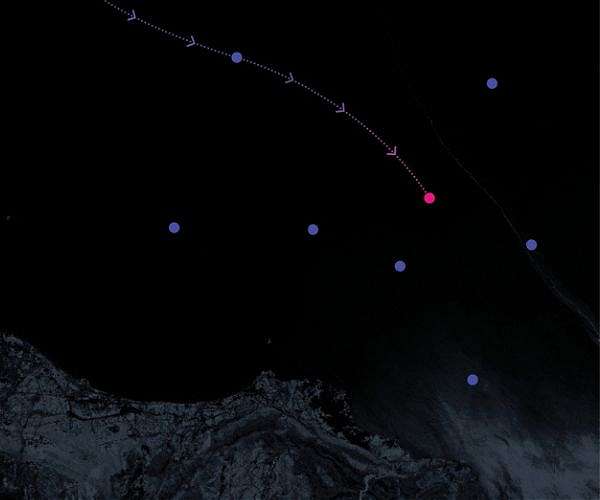
The Vake Powered By KSAT platform delivers detection, identification and tracking of dark vessels from space by using data from optical, radiofrequency and radar satellites operated by 15 different providers, and makes this information available through a single interface.
The company positions the platform as an evolution of its long running vessel detection services, designed to monitor areas and vessels of interest by drawing on multiple space based data sources.
By integrating KSATs satellite antenna network, Earth observation capabilities and maritime expertise with VAKES advanced AI and visualization tools, the platform is intended to accelerate maritime decision making for users such as coast guards and navies.
KSAT notes that its vertically integrated value chain allows it to control tasking, collection, processing, exploitation and dissemination, and to dynamically reschedule and retask satellites during contingency events when rapid information is needed.
As the worlds largest satellite ground station provider, KSAT has built a high quality historical database of maritime activity that is now leveraged together with VAKES analytics to train AI systems that can detect, describe and recognize vessels and highlight anomalies within an area of interest.
The new platform is designed for ease of access and integration, offering space powered maritime awareness that can be incorporated into existing systems while providing options to task new satellite collections directly from the interface.
Space based sensing is described as an important part of building a recognized maritime picture because it offers wide area coverage, rich detail and the ability to monitor regions that are hard to reach with conventional platforms such as aircraft or drones.
KSAT aims to make space data more convenient for operational users by delivering timely, relevant and reliable compilations of information through one platform, where users can view current activity and request additional targeted observations.
Following KSATs acquisition of VAKE in 2024, the combined organization is pursuing shorter decision cycles by reducing the time from satellite collection to information delivery across multiple satellite operators.
KSAT currently provides collection to dissemination timelines of around 15 minutes and has set a goal of pushing space based information delivery below five minutes by 2030, regardless of operator, orbit or platform, while keeping access secure and straightforward for end users.